4/7/26

Father Son Spanish Holiday


Well, it was inevitable I guess. Rory and I are back in Milwaukee and it's 3:15 am. Which is about the time I'd be sipping a late morning coffee at a sidewalk bakery in Spain. The sunny skies, crisp mornings and warm afternoons have given way to the grey chilly dampness of early spring in the Upper Midwest. The mellow sound of morning doves outside our hillside high-rise window and the cacophony of parakeets in the cathedral's palm trees on the corner have switched to the cheerful chirping of robins and chickadees along our flat Milwaukee street. I'm grateful for those guys' cheerful song, as it's definitely an adjustment returning to the States.


Milwaukee is in many ways a rough and tumble city. Crime is high, drivers can be reckless, litter seems to be everywhere, and especially in winter - which is looooong here - citizens retreat from the outdoors and burrow into bars and homes. If you look at a U.S. map of excessive drinking, Wisconsin's alcohol consumption borders on mind-boggling. The whole state is a sea of deep purple in a speckled nation. 


What I saw in two large Spanish cities... A culture that embraces a life lived outdoors; a shared sense of commitment to a warm blend of tranquility, safety, opportunity, art, and celebration; and urban landscapes that thoughtfully pack in designs that maximize a human's desire to reside in and soak up that space.


Madrid and Barcelona, both cities with populations well over 1 million, felt so darn safe. Violent crime rates are low, and you feel that on the streets. Residents are busy and often move at an efficient clip  - it's the big city after all - and they are also clearly aware of the fellow humans in their space. Drivers are mellow and observant. Crosswalks, bike lanes, and traffic lights are abundant and it seems like everyone - drivers, pedalers, and walkers - pays attention to the reds and the greens as well as the movements of their fellow humans. We only heard honking a handful of times, in cities of 3.5 and 1.7 million. We made mistakes, of course - the bike lanes are often a brilliant and twisting system of their own - but no one displayed resentment toward us for that. They simply tapped the brakes to make way, knowing someone will likely do the same for them at some later point in their day.


I commented to Melissa on how comfortable I felt walking and pedalling the streets of Spain. She remarked, "that's the social contract you're feeling. It's there and everyone buys in." Across a city-scape of faces that clearly reflect the 21st century migration of various cultures from around the world, I felt it a lot. A son's dropped phone on a metro train car quickly scooped up and returned, young people giving up their seats for the elderly, busy bakery counter workers taking a second to share a warm "Buenas" before taking your order. Clean city streets with lots of waste and recycling bins and very very little litter.


As a family with parents who chose education as their careers, we don't stay in fancy hotels or resorts. We also prefer to immerse ourselves among the locals' landscape. In Barcelona, we found a studio apartment rental, about ten blocks up the hill from the city's center, where tourism gives way to native flavor.  


From there, Rory and I walked. And walked and walked and walked, averaging over seven miles a day. We sometimes carried two footballs in a backpack - both the American and more common variety - stopping at various parks to get in a few throws and kicks. At one, the attendant at a nearby snack stand left his post for three minutes to coach Rory on the proper way to grip, throw, and catch a U.S. football, giving him both a cheerful lesson in Spanish and valuable pointers on an American game some Spaniards clearly know well. 


We bought a four-day Metro pass for the subway and buses, downloaded an app for one of Barcelona's many bike share rentals, and another app to keep an eye on sailing charters in the marina. We meandered, via foot, train, bus, pedal, and boat, across most of a city-scape that stretches from mountain foothills to the Mediteranean Sea.


What we found - in both Madrid and Barcelona - is a culture that embraces a life lived outdoors. Even when its cold. Despite lows in the 30s and highs in the low 50s during our first weekend in Madrid, citizens packed thousands of sidewalk cafe tables for breakfast, lunch, and dinner, bundled in coats and good-natured conversation. Parks are abundant and either filled with stately fountains, benches, and long green boulevards or filled with exercise equipment, ping pong tables, basketball hoops, soccer pitches, and spectator benches.


Throughout both Madrid and Barcelona there was a blending of old history with modern city-scape. One minute you're walking the narrow cobblestones of a thousand year old street, hip businesses nestled within old Roman brickwork, the next your walking by modern high rise apartments with public escalators that ferry you up the hillside. Throughout all of it, Barcelonans have thoughtfully carved out spaces for nature, very aware that human growth requires a balance for the long haul. An exhibit on the first floor of the city's hallmark glass skyscraper displays in realtime the audio waves from microphones set up around the city, identifying the type of motor that just revved, the species of bird that just chirped, the sound of kids playing on a nearby beach. 


As we meandered, Rory compared and contrasted life in the States versus life in Spain, asked a lot of questions about world history, and periodically dove into his phone to do research on some tidbit that piqued his interest. "Papa... Did you know Goudy died when he was hit by a tram?... And nobody knew who he was. They thought he was a homeless guy, because of the way he was dressed. The cops had to force a taxi driver to take him to a hospital. But by then, he was gone." I also realized that Rory loves charts and graphs. I feared I might bore him to death at Barcelona's history museum. He found where the data was displayed, dove in, asked a lot of questions, and found a lot of the answers on his own.


At one point, we walked past Barcelona's sea-side aquarium to the mega-yachts parked in the marina beyond. Taking in a boat that looked like Mercedes' version of a small cruise ship, Rory looked up from his phone and informed me, "Foreign minister of Qatar's. $300 million. His networth, $4 billion. As if on cue, a Spanish cyclist appeared behind us and chimed in. "Quite a contrast isn't it? That boat and this homeless guy..." Sure enough, thirty feet from the ship's sleek bow, sprawled on a dockside bench, lay a homeless man, a ratty red blanket insulating him from the cool shore wind. 


I nodded at the contrast and sensed that our new companion had opened the door for a little political reflection. His demeanor was both thoughtful and light. "Clearly, Spain's not perfect, but I have to say, compared to Milwaukee, I feel very safe here. There's a lot less violence, and, here, I actually enjoy crossing the street."


He nodded, "Yes... That is because in the United States it is the middle class that pays most of your taxes." I asked him, "Is Spain's model the answer then?..." His response - "Europe's economy is barely growing..." I playfully asked, "Do you have any answers?..." He laughed and responded, "I'm afraid not."


On our last day, gazing at the sea again from a hilltop castle, I downloaded an app on a whim for local sailing charters and found one with two spots left for 50 Euros apiece. Rory and I jogged to the subway and arrived just in time to hop on a forty footer with two other families from the States.


Piloted by Captain Marco from Italy (seriously, did he make that up), we spent the next two hours getting a crash course in sails and lines, while Marco handed our kids the wheel and waxed poetic about how a craft that is entirely powered by the elements gives a person passage to the fifth element - soul power. 


From Captain Marco also flowed an abundance of drinks and snacks, opening up conversations with our fellow travelers. Two were doctors and two worked in international business. While American, they had worked and lived in many countries across Europe and Asia, clearly earning a well-healed living while doing so. And they were down-to-earth and good humored, with teenagers who were warm and easy-going. While flying to Myorca for the day for some beach time isn't really something in our family's wheelhouse, Rory and I were the only ones in the group this week to have attended the Womens Champions League match between Barcelona and Madrid. And on this we all relished the realization that, "Womens Soccer is awesome. The women charge!"  


As we bid our new friends goodbye, and the two of us headed toward the subway as the other families walked toward their upscale dockside hotel, Rory reflected a bit on careers, their incomes, their meaning to self and society, and the pathways to get to each. The next morning, after we cast one last whistful glance at the spires of the Sangrada Familia, and used our Metro pass one last time to catch the airport train, Rory burrowed into college research on his phone, exploring schools, programs, admissions, scholarships, and financial aid. 


While the Newark Airport was a bit of a rough reintroduction to the U.S., we still found cheerful, good folks amongst the faster and edgier vibe that defines our homeland - amongst fellow flyers, customs, and TSA. Rory has become a seasoned pro at getting around in the world - across its cities, countries, and airports. He's super polite, and navigates the give and take of a bustling world with dilligence, good-naturedness, consideration, and humor. The adults around Rory notice that and I think his peers do too.


I'm super proud of him. And so honored and darn lucky that I got to spend nine days travelling in such a cool place with my son.

04/06/2026

Sagrada Familia


Happy Easter. As a father raised among extended family who are Presbyterian, Catholic, Unitarian, Methodist, and at this point, likely many other affiliations too, I appreciate both the example that Jesus set as a human being and the idea of rebirth, as Winter gives way - both literally and metaphorically - to Spring. This week, I got to spend the Easter holiday with my son, in the presence of what might be the world's greatest cathedral. Over a 100 years in the making, and just three months away from the dismantling of its last construction crane, the Sagrada Familia is the most immense man-made work I have ever shared space with. I know the human race has built bigger - much bigger. It's the vision of its architect - Goudy - earthly and other wordly, giant and intricate, heavy and delicate, cement and glass, atop cement and glass, atop cement and glass, assembled as if a hand from the heavens spent a century building a drip sand castle to the clouds, then capped its spires with beach trinkets, each whimsical and grand. I'd like to think the Sagrada Familia goes beyond any one religion, tapping into some energy that reveals the magnificence of the human spirit, the importance of shared experience, and maybe something bigger and beyond yet right here among us weaving it all together. Some might call that the Holy Spirit. I'm sure other religions have a name for it too. I imagine some scientists and philosophers as well. I hope that this week provided you the opportunity to also hit the pause button for a bit, and to connect with family and community

04/05/2026


1/4/26

Skiing - Three Generations In


Skiing has been in our family's blood for a long time. My Uncle George, a larger than life character in both body and spirit, jumped into the sport back in the 1960s, in of all places, Ohio. As a young guy, he managed a ski hill there - Snow Trails. His gregarious personality then landed him a job at Hedco, a manufacturer of snow makers known as old workhorses in that realm. In an ideal year, mother nature does that work. Throughout the 70s and early 80s, in those less than ideal years, George Nekervis would make sales and installation trips all over the world to make a white holiday possible for skiers everywhere. 

In an era when the speed limit maxed at 55mph, George rocketed across the country at 85, stacking up tickets and stories as he went - including that night he sat next to the lead singer of AC/DC at a mountain bar; the time he didn't give his install team the day off on the opening date of deer season, and suddenly gun shots were ringing along the hillside as a buck galloped across their worksite (a mistake he would not repeat again); or that early morning before a hill opened when resort personnel aimed an avalanche trigger gun just a little too high, sending a shell clear over the mountain into a (thankfully empty) house. In the early 80s, George then started SkiView USA, the first maker of billboard advertisements on ski lifts. He recogized before most that a ten minute ride atop a winter wonderland was a captive audience and a grand opportunity. 

Chasing George's spirit, I moved to Denver in the late 90s, and finally experienced skiing in its grandest form, flying down mountains that took half an hour to traverse, through forests and bowls, atop endless stretches of deep fluffy snow - in the company of fellow twenty-somethings who built a life-long tribe of friendship weaved from the shared experience of having left home states to venture into young adulthood on a new frontier.

Back then, skiing was a good deal cheaper than it is today. Mountains were often still mom and pop operations and a visit to a local "ski swap" ensured a family could buy used equipment at an affordable price. The advent of the internet ensured a new kind of access to cheap skis, but helped fuel consolidation of ski hills across the country to the point that just two giant companies - Epic and Ikon - own most of the resorts in the United States. Any student of economics can tell you an oligopoly usually guarantees a steep rise in prices, whatever the industry. And sure enough, in America's ski world, that has been the case. A few local hills, like Mount Bohemia in Michigan or Cascade Mountain in Wisconsin, chug on as family owned operations, offering affordable prices to middle class families looking to embrace winter. Their chair lifts are a bit smaller and older, their lodges a little more worn, and I love them. 

This New Years holiday, we finally decided to bite the bullet and buy Ikon season passes so our kids could experience a big Colorado mountain at Steamboat Springs. We joined the family of a dear friend from my 90s Denver Days in a mountain side condo that harkened back to that era too. As luck would have it, mother nature took her own holiday, requiring the next generation of those snow making machines to work their winter magic. The conditions were less than ideal, but our kids were troopers. At least one caught the family ski bug by week's end.

All experienced the greatest perk of a day on the mountain - settling in for an evening of relaxed conversations, board games, tv bowl games, hot tub soaks, the Stranger Things finale, and strategizing about how best to hit the slopes the next day - much of it enjoyed in a cozy living room with great company and a warm fire. The perfect way to hit the pause button on school and work to fuel up for the day-to-day of a new year. 

May your 2026 be a great one filled with friends, family, and the rich fruits of your labor


Ross Freshwater
January 4th, 2026


1/13/25

A New Zealand Holiday


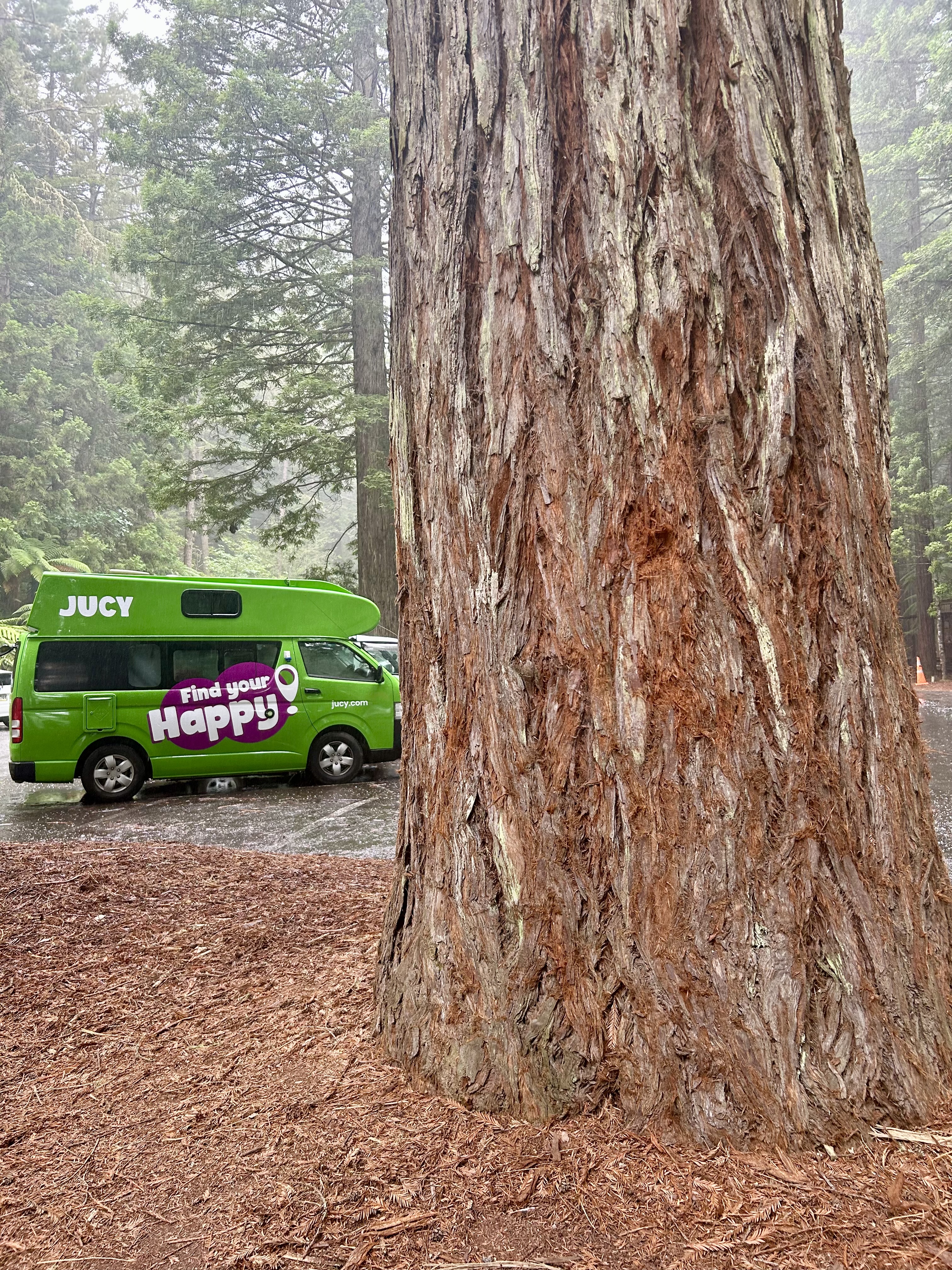
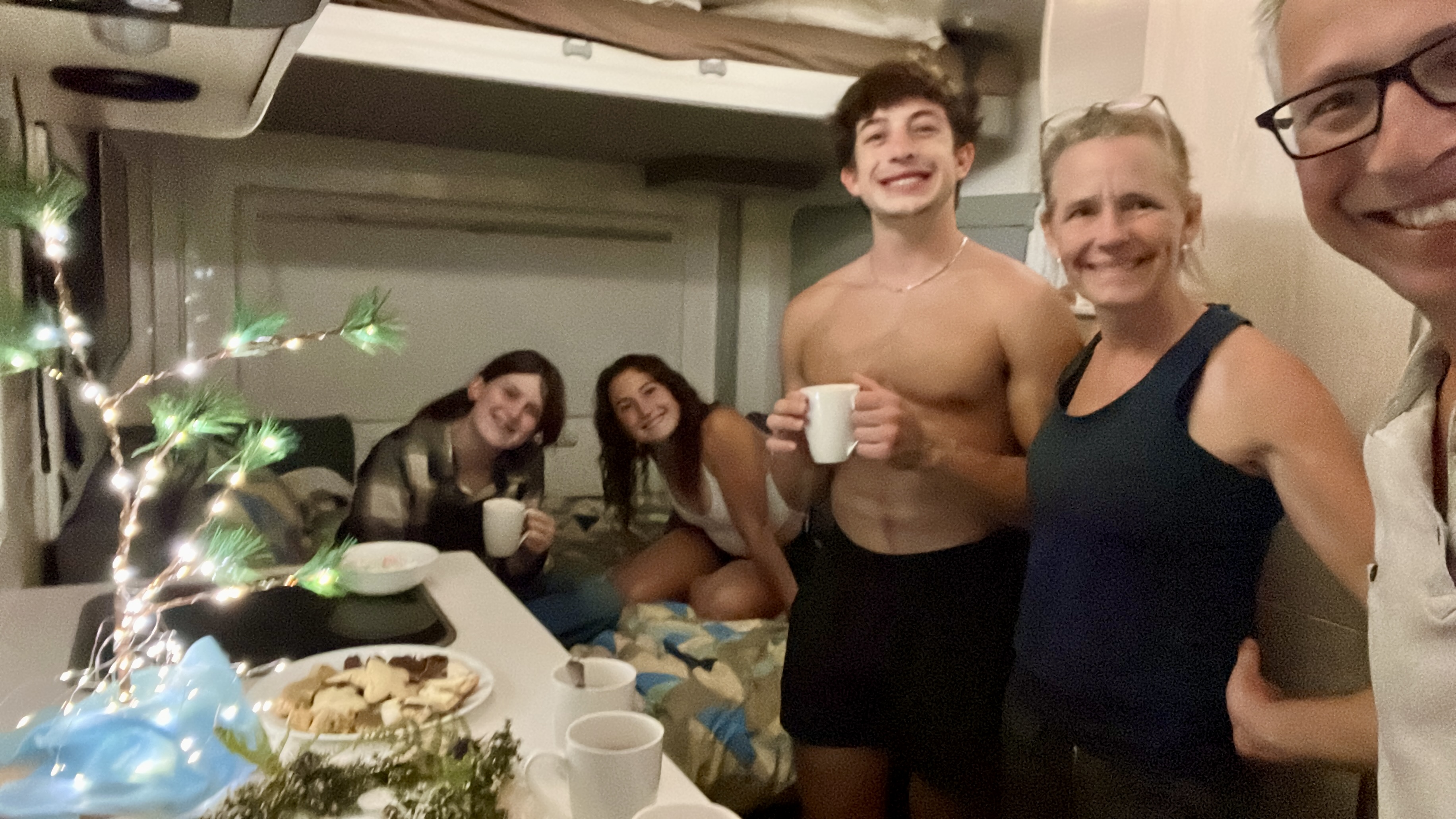
New Zealand. For fifteen days over the Christmas and New Year's holiday our family crossed the country while caravaning with friends in a lime-green Toyota Campervan. Dubbed "Jucy" by the quirky rental company with whom we booked it, our trusty steed was a self-contained mini-home on wheels. Below are my reflections on our adventure five days after our return, written while emerging from jetlag.

With its natural geography and human architecture, New Zealand packs Canada, the U.S.A., and Mexico into two long islands that together are about twice the size of Florida and kinda similar in shape. In one morning you can role from coastlines that might remind you of Central California or Jalisco, to rolling fields of corn or livestock that would be right at home in Wisconsin or Kentucky, and onward into the kind of awe-inspiring mountains you might find in British Columbia or Oaxaca. All while rambling along the left lane of winding narrow country roads often given highway titles and few shoulders, with one lane bridges where a sign at each end informs you whether you or the other guy have the right-of-way. Both New Zealand's big and smaller cities embody buildings that you might find all over North America as well - with larger downtowns made of stately stone structures that would be right at home in London, Toronto, or Vancouver, sitting alongside the gleaming curves of 21st century glass skyscrapers, and their slightly smaller and more weathered concrete box counterparts - Auckland reminding me of my old neighborhood in Guadalajara with its hodge podge assortment of eras, stories, grandeur, and weathered disrepair. Smaller town's main streets are often flanked by long rows of cynderblock businesses with tin roofs and faiding paint, much like you'd find rolling through the Mexican states of Guanajuato or Michoacan. Inland neighborhoods of modest country ranch homes would be right at home in, say, suburban Iowa, and small victorian houses reflect those of older seaside neighborhoods on North America's West Coast. 


Dotted along our Southerly route from the northern part of the North Island to the southern tip of the South Island were many rich stops along the way: Auckland, where the All Blacks Experience gave us a high-tech, crash-course immersion into one of the world's most storied rugby teams, including a practice hall where a computer measured our kicks and throws with a real team ball, and a room-length screen projected the team performing the Haka, with you standing in front of them as the slightly nervous opposing squad; 


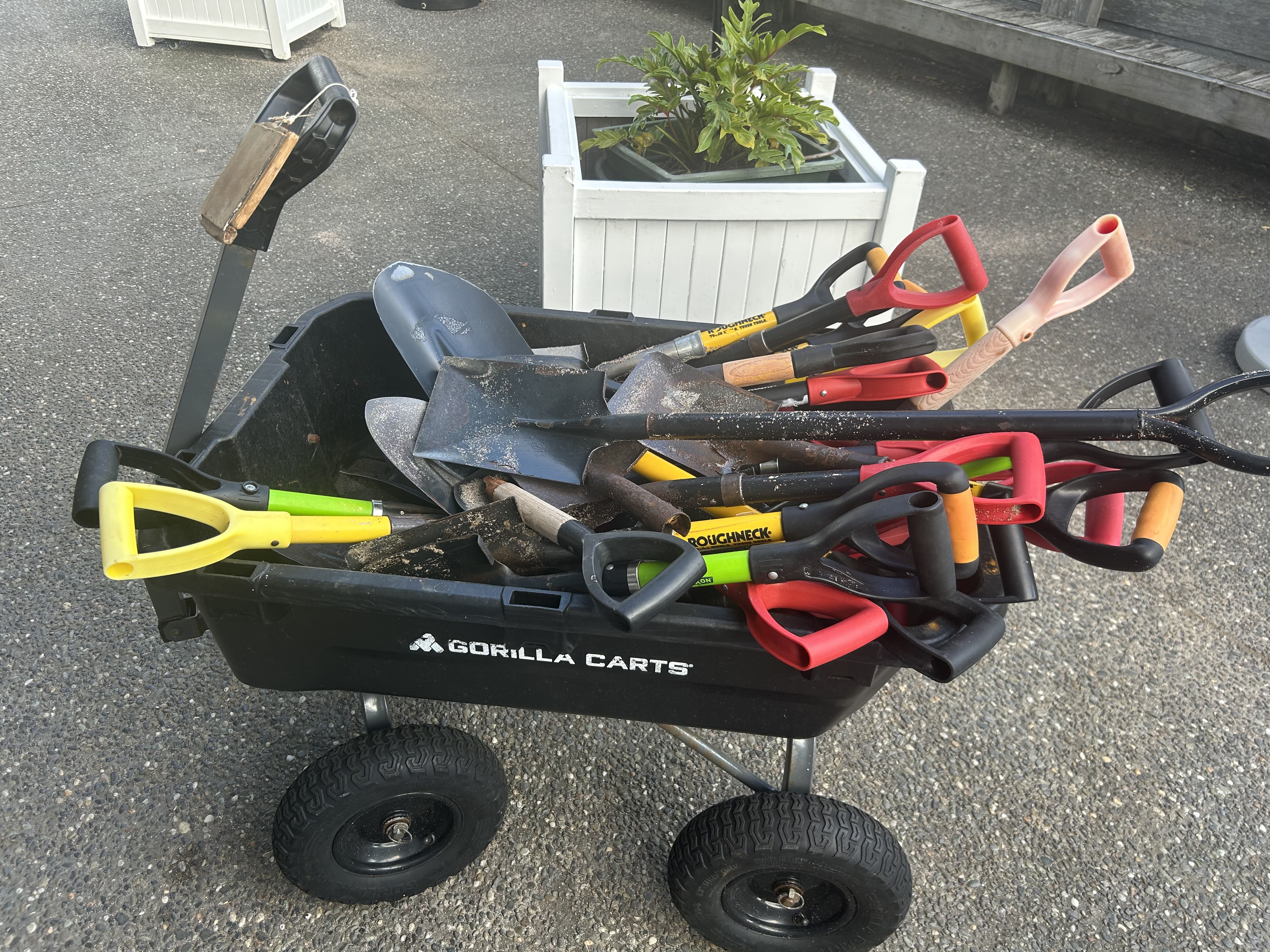
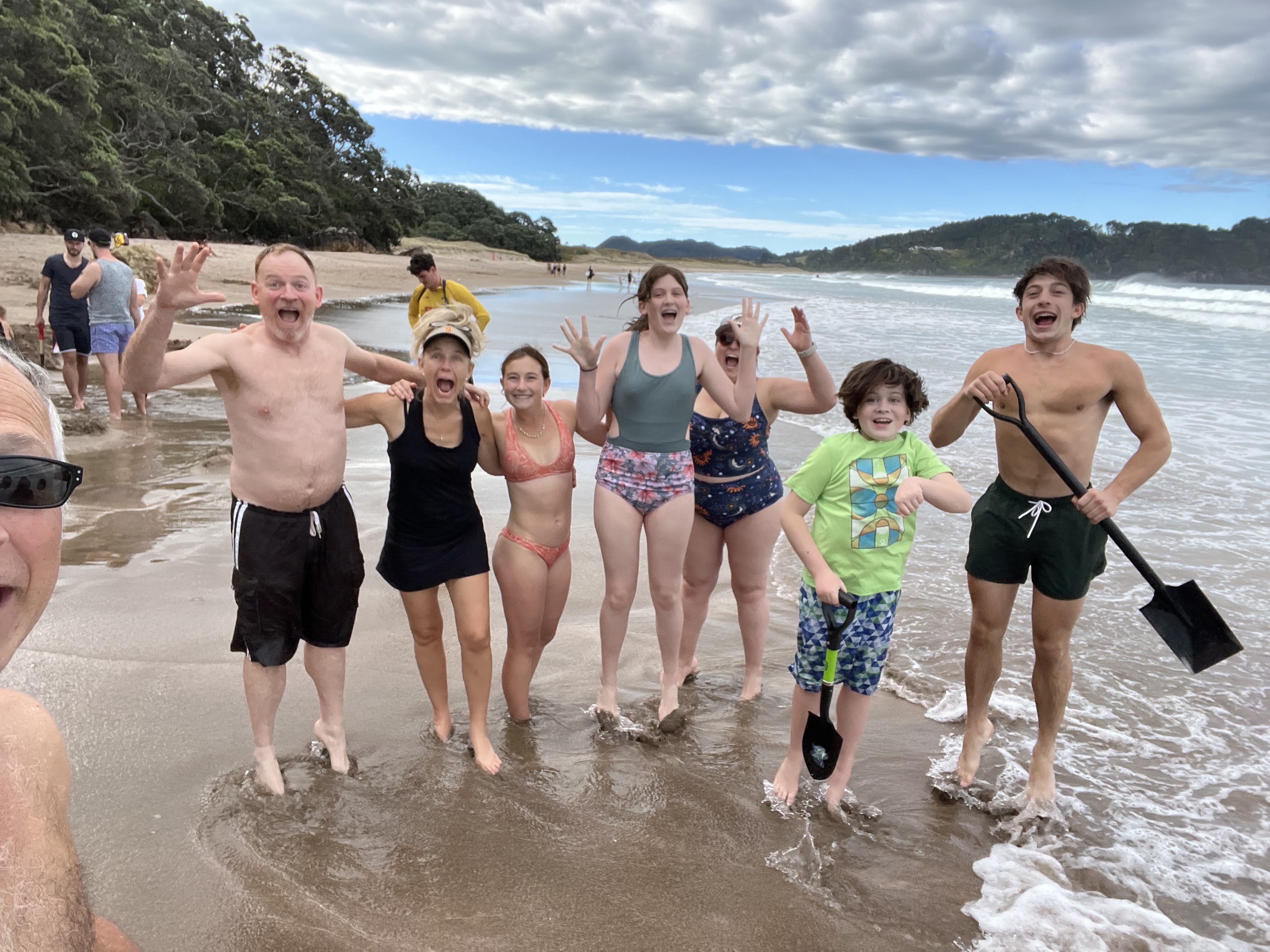
Hot Water Beach where shovel rentals provide the opportunity to dig a family-sized hole that becomes an instant jacuzzi, and shifting tides can shift your soak from 110 to 70 degrees; 


Hobbiton, where lush rolling green hills one might find in America's Midwest are dotted with relics of the blockbuster movie trilogy, Lord of the Rings, and I discovered what must be at the forefront of every Hobbit's dream - New Zealand's meat pies. 


Rotorua, a smaller-sized city built atop geothermal geysers and hotsprings that looks a bit like if you maybe plunked Bozeman, Montana smack on top of Yellowstone National Park. Imagine if you had a bubbling hotspring at the end of your cul-de-sac or Old Faithful outside your favorite restaurant's window... that's Rotorua. Populated by a Maori majority that welcomed us into their native culture via a Te Puia dining, theater, and geyser viewing evening that mixed history and humor with the Haka, Ritchie Valens, and Metallica, they told the tale of their sailing voyages across Polynesia to this very spot, where several hundred years later they dug in against the British to secure the prominent position they hold in New Zealand society today; 


Waitomo, surrounded by caves and a canyon where tiny "glow worm" insects light up dark spaces in a magical display of fairy lights; 


Paparoa National Park, that looks a bit like Mexico's cliff-laiden Pacific Coast, if the latter were made of cartoonish piles of stone pancakes with switchback trails bursting with tropical flowers and dandelions; 


Kaiteriteri, toward the north tip of the South Island, where we soaked up the sunny beachside vibes of a 4th of Julyesque style Kiwi Christmas, with scores of Santa inflatables playing sous chef next to summer BBQs; 


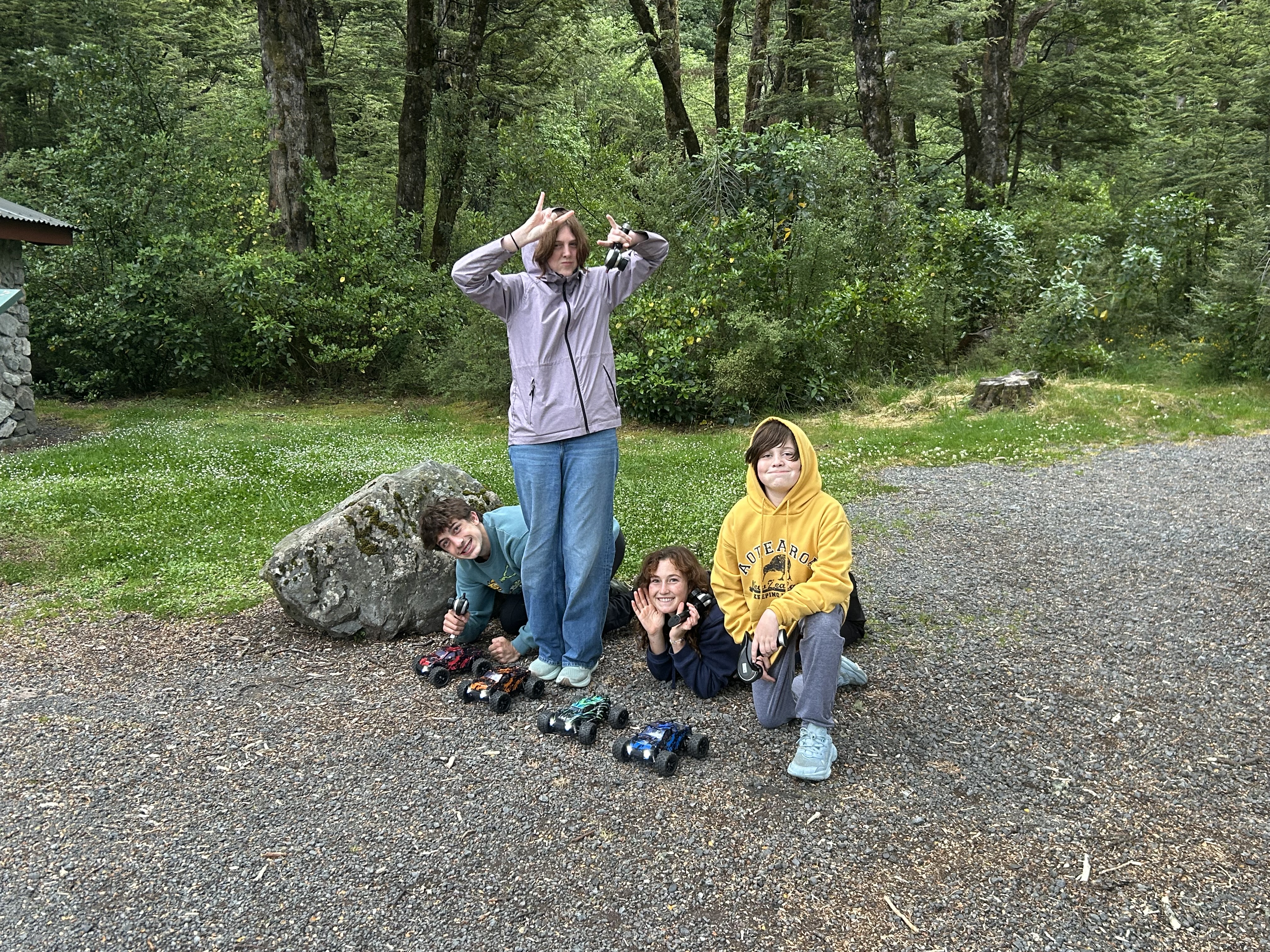
Arthur's Pass, the route over the South Island's mountain spine where, much like Glacier National Park in the U.S., lush rainforest gives way to grassy highlands, but here packs of the world's only Alpine parrot, the Kea, make mischief stealing tourist's cafe patio breakfasts and chewing the antennas off their cars;


Lupine flowers, seas of them in purple and pink, flooding meadows and road shoulders from the central mountains to the coast; 


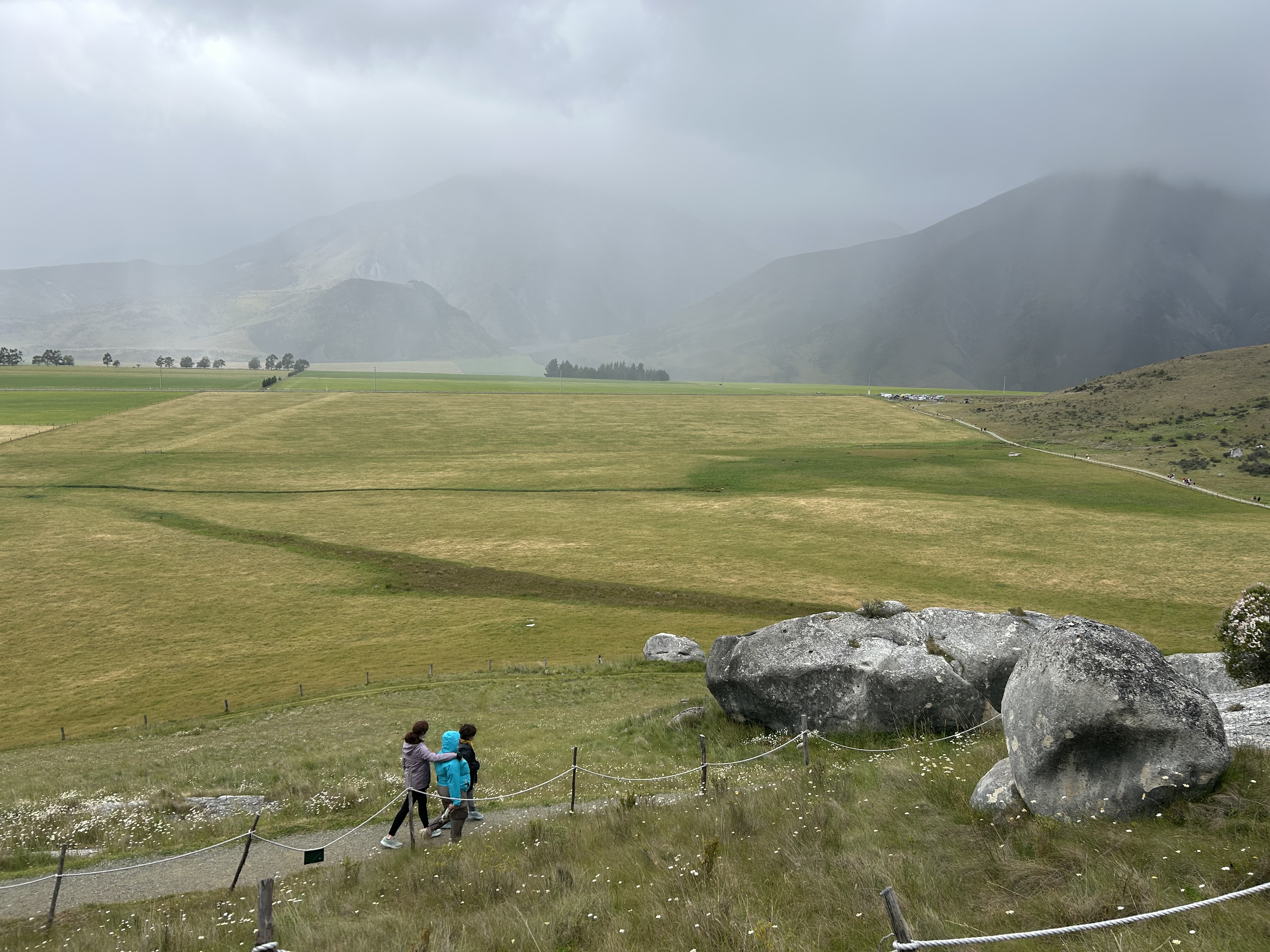
Kura Tawhiti, where our interpretive hike through a baren and boulder-laden highland landscape introduced us to the fact that a man-killing bird - a giant Eagle - did in fact exist and ruled those very skies until the Maori drove it to extinction not long before European arrival;


Queenstown, New Zealand's answer to Telluride or Jackson Hole, where adrenaline junkies pining for a starring role in a Red Bull ad bunjee jump, catapult, parasail, zipline, and luge their way from the tops of canyons and mountains, and an array of mid and high range restaurants, clothing, and gear stores anchor some of the livelier nightlife we found on either island; 


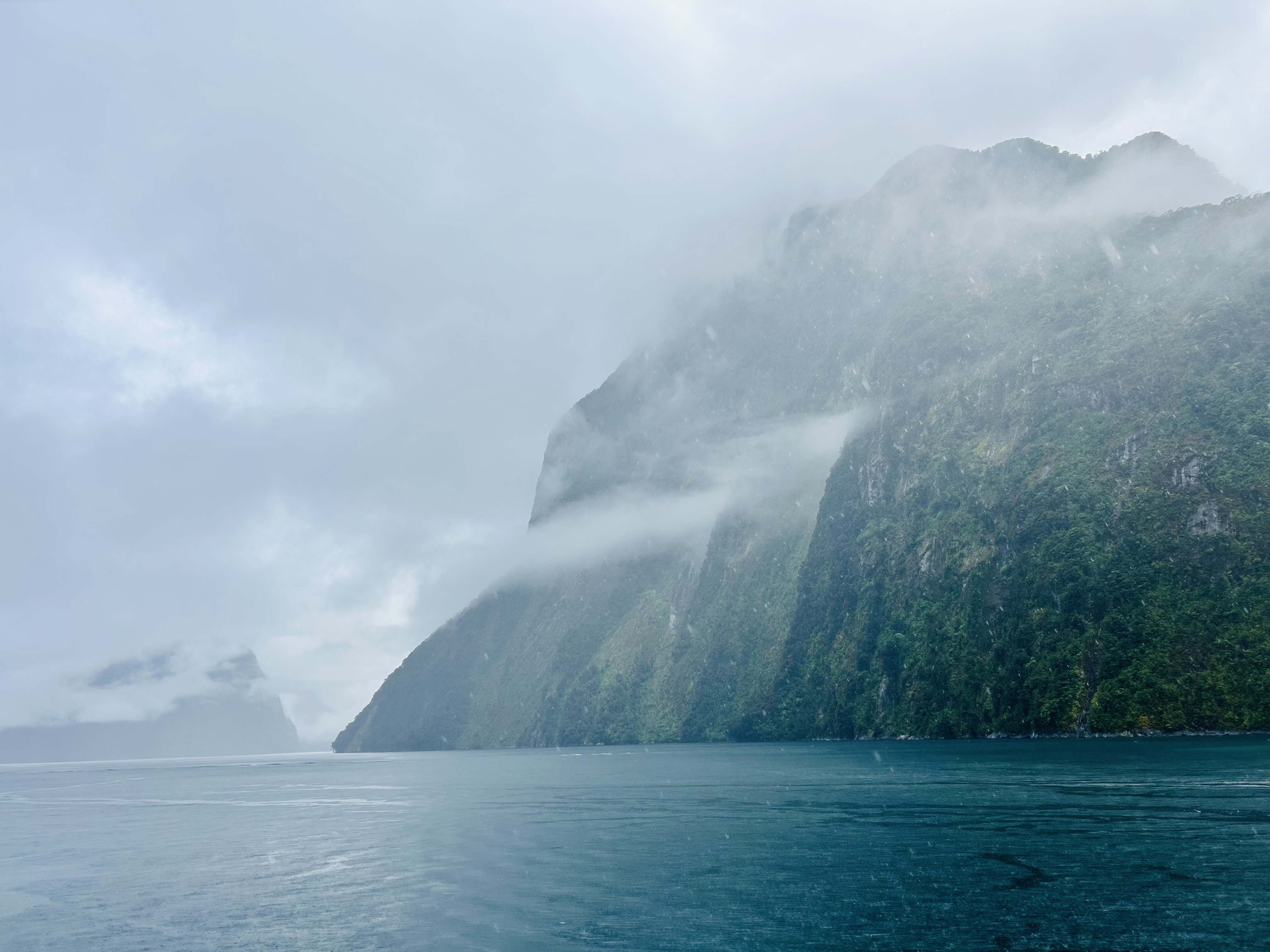
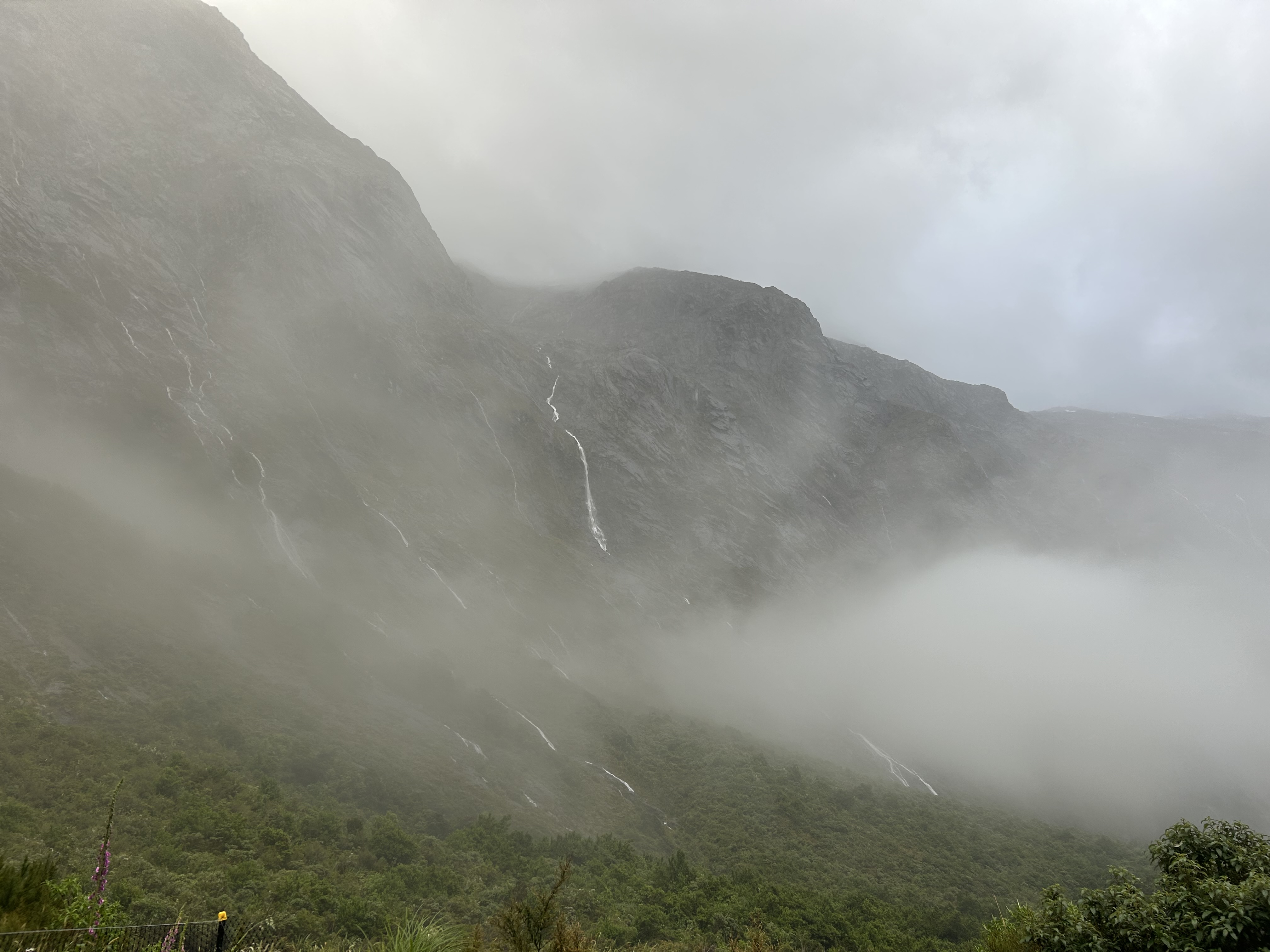
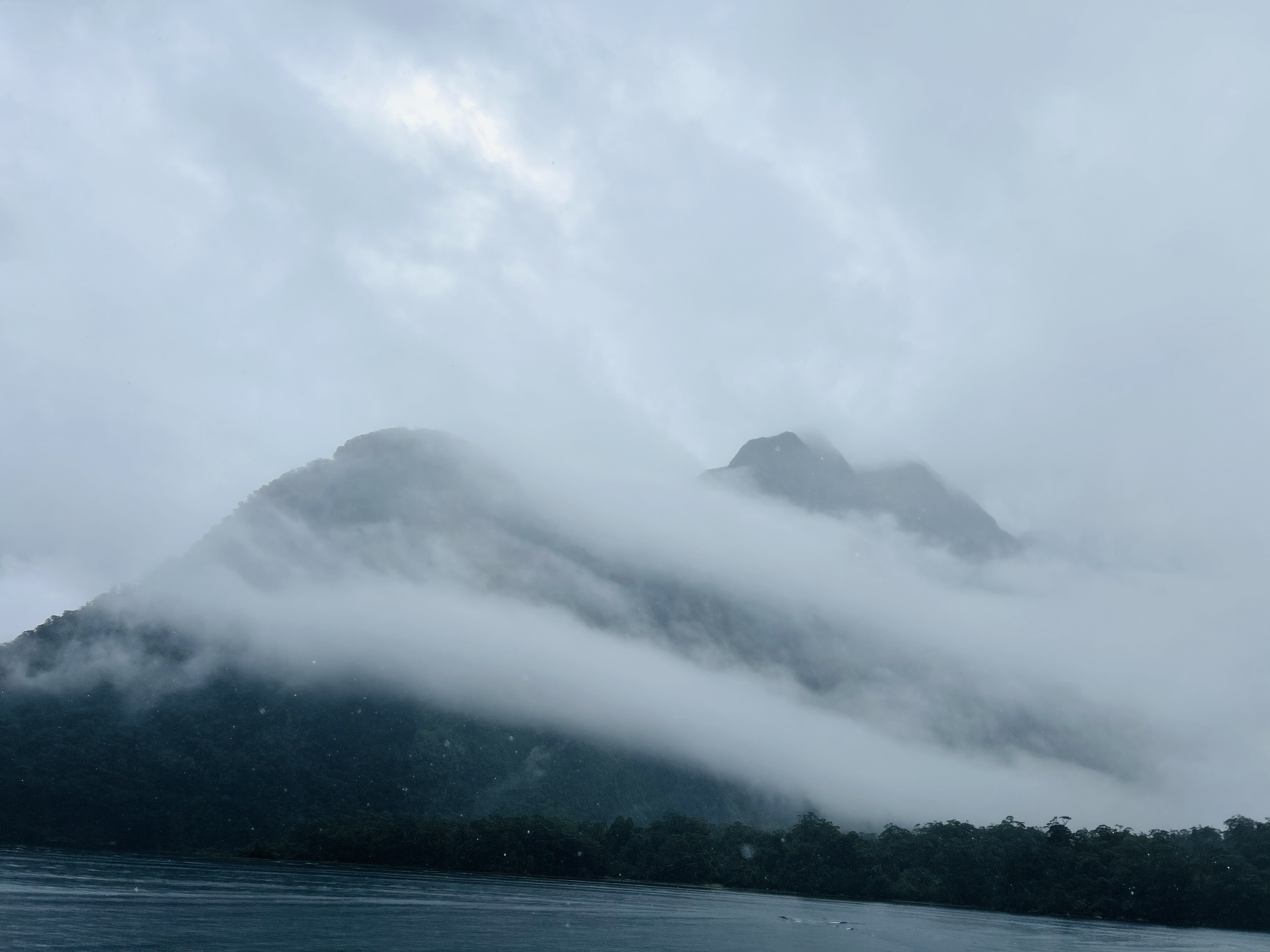
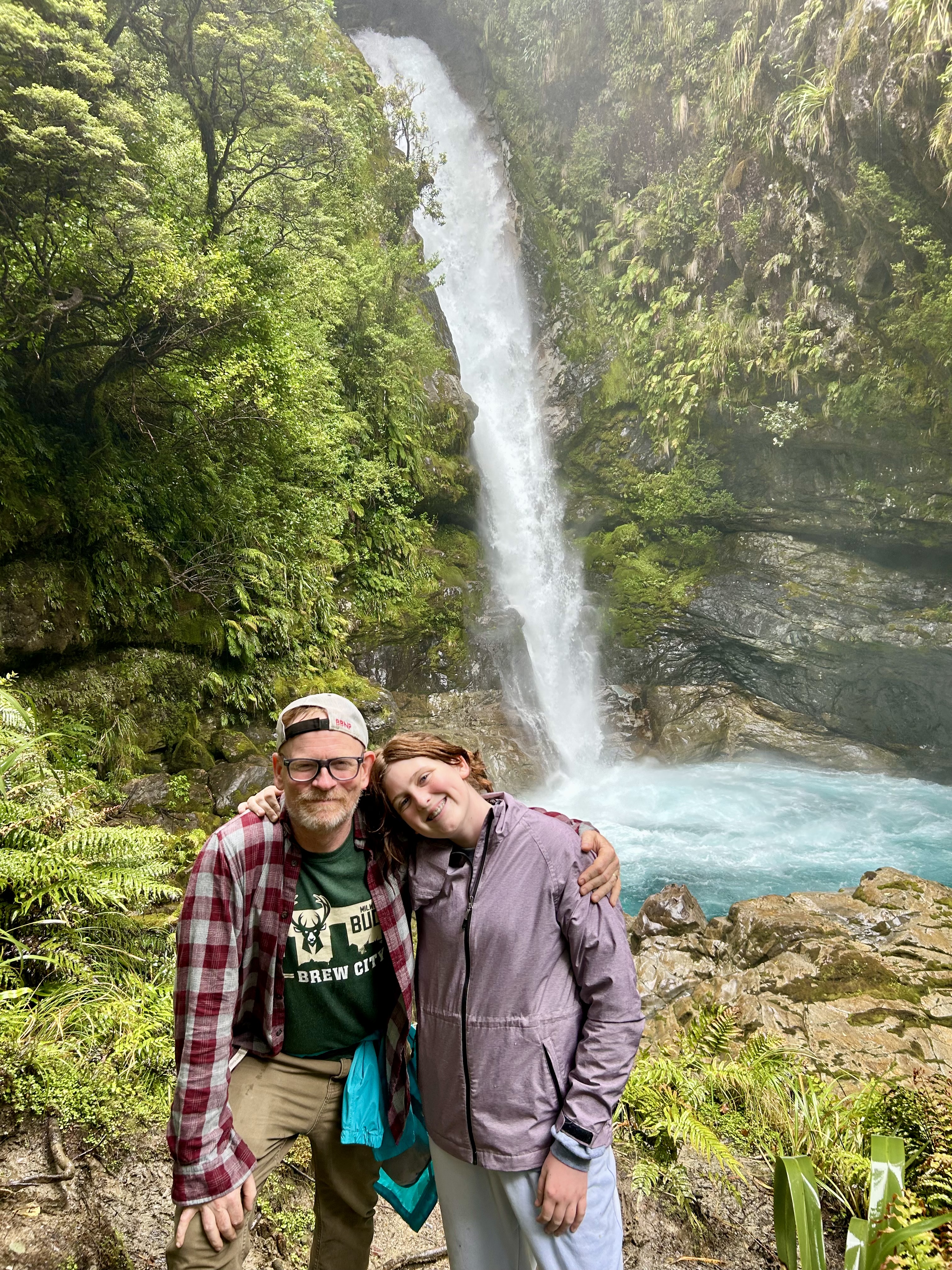
Milford Sound, its towering fjords so majestic they defy any photographer's lens or poet's pen, with dozens of endless waterfalls literally pouring from the clouds with glacial blue waters the color of topaz; 


Stewart Island, off the tip of New Zealand's southern-most coast, where the Antarctic breezes mix with a quirky mix of multigenerational fisherfolk and the colorful end-of-the-roaders that can often be found on the fringes of the civilized world, and Kiwi birds rule the island's nightime hours, strolling along like pondering old people on its forest trails, road shoulders, and campground fields, while blurting out sleep-jostling calls that sound something like R2D2 on a quest for love; 


Oamaru, where a local wildlife charity has literally set up stadium-style seating, complete with a VIP section, to view the sunset arrival of the world's tiniest penguin, the Little Blue, with colony members hopping from the frothy Pacific Ocean then waddling past snoring seals right through the audience into tunnels between our seats to their nests beyond; 


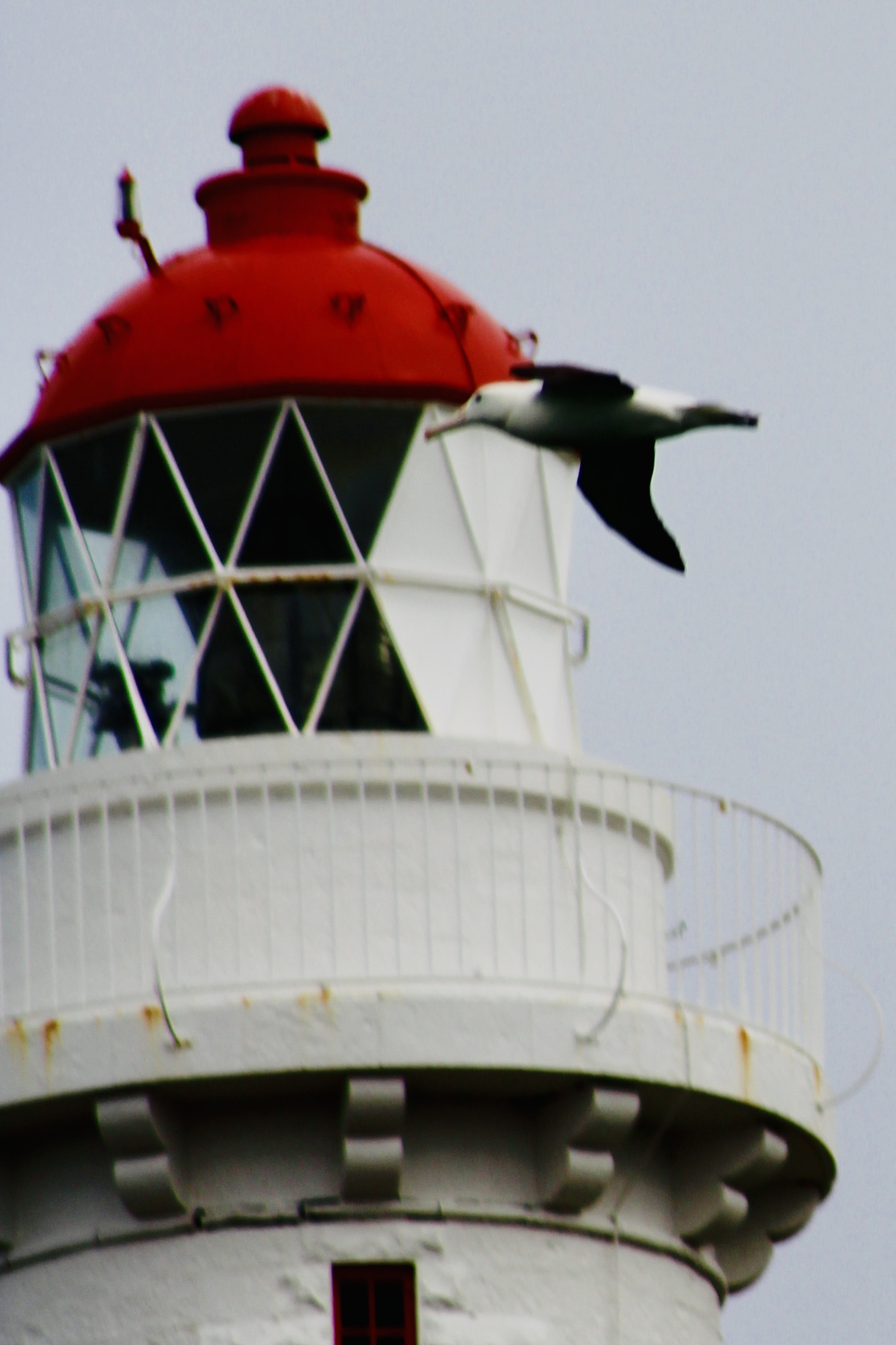
and on our last afternoon, the Otago Peninsula, where giant Albatrosses sail past a cliff top lighthouse, clearly revelling in gail-force shorewinds that send their ten foot frames wizzing by that light like straffing fighter planes. 


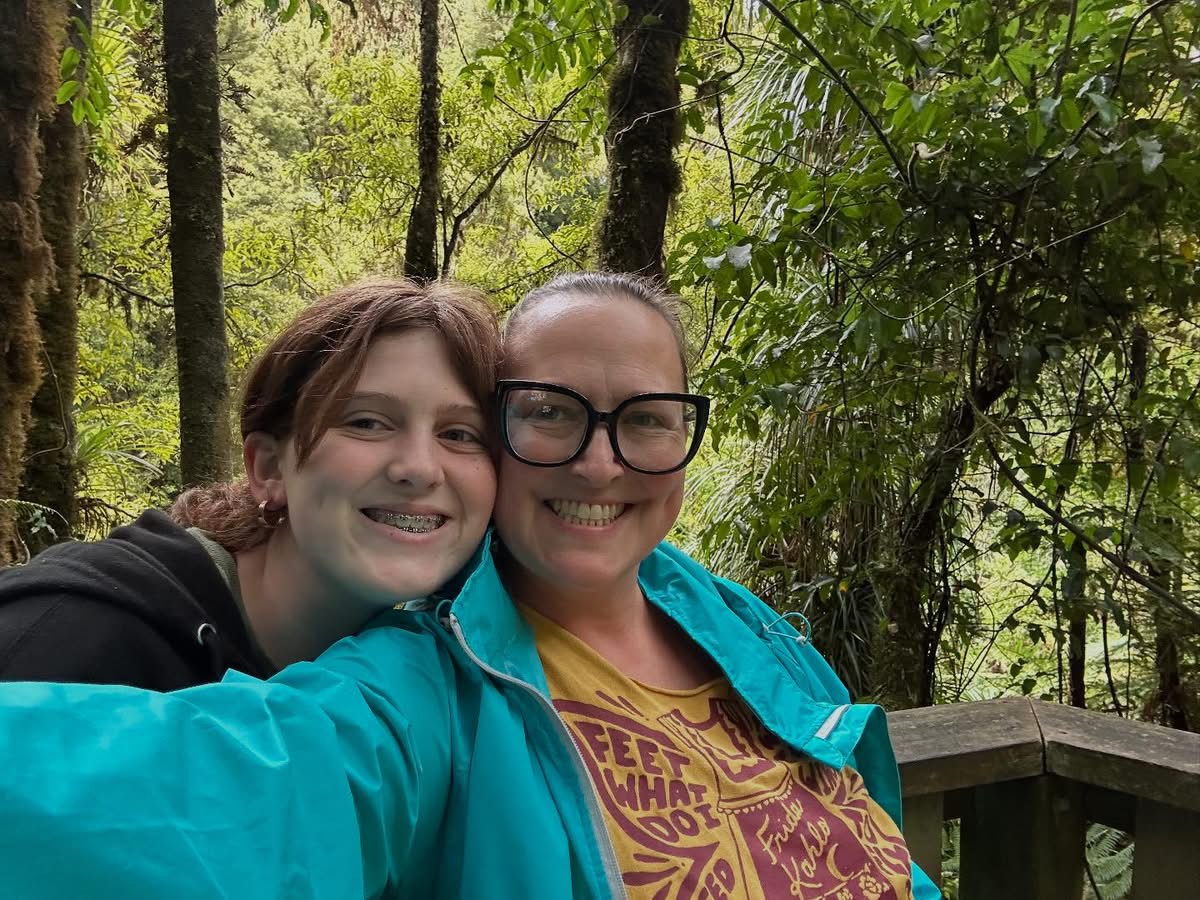
Much of what I just described was anchored in New Zealand's natural wonders, many of which probably deserve honorable mention in the best Wonders of the World. Our immersion in the country's nature was rich, via a campervan culture that appears rooted in the country's human soul. Thousands of Kiwis, as New Zealanders are nicknamed, spend their holidays in campervans or trailors, rolling between "freedom camping" sites located in darn near every municipality, where bathrooms are provided and the fee is free. Taking in the full scope of one of the most beautiful countries in the world can be done on the cheap, if you're willing to pay a few bucks for a shower now and then at a community swimming pool, can endure the dampness of a fair amount of rain between pockets of elusive sunshine, and are up for drying your wet clothes at a sidewalk laundromat, where, yup, you heard that right, you can literally lean out your car window and stuff your laundry into a washer and dryer. 


It also may help if you are comfortable around introverts... I say that last sentence with full disclosure - I am an extrovert, to the point I could very well be a highly annoying human being to anyone who wishes to just keep to themselves. Part of that comes from having to straddle a variety of cultures and places as a kid - a survival technique really, part of it might be spending the better part of three decades getting to know 100+ new students with each passing school year, and part of it is just baked into who I am. I like to strike up conversations with the folks I share a space with. I'll also add that our family spent a good deal more time on New Zealand's South Island than its North, and in its rural spaces rather than its urban. I am going to make a wager though. Your average Kiwi is more introverted than their American or Australian counterpart.

Auckland, the country's economic hub in the near sub-tropical North, was filled with human diversity. Immigrants from all over the world, but especially Asia, walked its streets, worked its jobs, and appeared to live in tranquil harmony with the native Kiwis among them. That tranquility transitions to quiet evening calm, as most businesses close before dinner, and save for a few bars, most Kiwis appear to retreat to their neighborhoods for a quiet night at home. After an early evening dinner served by a good-humored French waitress, I asked our Iranian Uber driver how he was liking life in Auckland. "The whole country closes at 5:00pm... There's not much to do here..." Indeed, much of the country seemed to shutter up at dinner time and to retreat to someplace beyond a tourist's view. 

That said, on the North Island especially, and among Maori natives on both main islands, we found Kiwis who spoke with us warmly and shared bits of their lives. There were the Maori chefs, historians, and performers of Rotarua who provided one of the richer cultural immersions I've experienced; the full-contact race car driver (yeah - that exists) turned baker who shared her picnic table cigarette break with us; the Maori beach guards who, when not chasing trespassing kids off a floating bounce house after dark, educated us on the Southern Hemisphere's night sky; and the Anglican congregation and Maori social services agency that welcomed us into a Christmas eve service and brunch, with members swapping stories of their travels to the U.S. with our tales of New Zealand. 

I couldn't help but notice, however, that the further South we rolled, the quieter the locals seemed to become. In some places, notably towns displaying the wear and tear of hard-scrabble agriculture, I sometimes found myself sharing tight spaces with what felt like a very weary local. In, say, a tiny laundromat, a campground kitchen, or cramped convenience store line, I'd often greet this situation with a good natured nod and "good morning" to break the ice. Sometimes my gesture was returned in kind, but more often than this Midwest guy is used to, my greeting was met with averted eyes, a shift-away posture, and the clear message that they had no desire to acknowledge my presence, let alone speak with me. 


One day, standing at one of those sidewalk laundry machines, watching my perma-damp clothing spin for the ten thousandth time, and craving some human interaction beyond my lovely family, I ambled across the street to a guide shop that leads trips into seven high-mountain river valleys that are a Montana fly fisherman's dream. The owner shared his life story with me inside of about ten minutes, which included the fact that he was an Aussie, and that just about every tourist outfit in town, including the AirBnBs, were owned by Australians. I asked why more New Zealanders weren't involved in tourism - clearly there was money to be made. "Kiwis... Farm. And those who do go to college move to Australia where there's a lot more money to be made." This statement squared with something my Indian cab driver shared with me in Auckland. His Kiwi daughter moved to Australia after earning her degree. The guide added, "And when those Kiwis move abroad for better pay, immigrants move to New Zealand to fill those lesser paying jobs." I began to see why maybe local farmers might feel a bit of disdain for the foreigner among them. While damp and driving a dinged up Toyota rental van, my extended holiday reflected an American economy that is likely beyond the reach of many New Zealanders. But my labelling many Kiwis as unfriendly is an unfair assumption.

My true window into the quieter Kiwi may have come during our stay at the Backpackers Hostel, a block from the Southern Sea on Stewart Island. While townie's danced to American Bluegrass by a New Year's Eve beachfire inferno, our family ushered in 2025 while hiking across field and forest, south of the 45th Parallel, in a failed quest with red-filtered-flashlights to spy a Kiwi - the nocturnal ground bird for which New Zealanders are named. Our son, Rory, was crushed. A Wild Kratz fan since before he could talk, New Zealand's hallmark bird was at the top of his bucket list, and despite a trove of treasures, his pail still had a gaping space in it. 


The owners of the hostel were a sixty-something couple, and on New Year's morning, the wife quickly picked up on Rory's mood. Despite having no vacancy that evening in the hostel - it looked like we would have to catch the ferry back to the mainland as we had originally planned - she quickly offered up a tent she had in storage, along with four sleeping bags and pads. An hour later, I happened to pass by her while she and her husband were eating brunch at the town's beach side hotel. She called me over and said, "This is Aaron, he's going to take your family on a Kiwi hunt tonight. No charge." I shook Aaron's hand but before I could thank him, he said, "Meet me in the hostel drive at 11:30." With that he sipped his New Year's beer and his attention returned to his meal. 

I was the first of our family to arrive to the hostel driveway at 11:25pm. Aaron sat quietly at a table with two chairs. I shared a good natured, "good evening" and he returned it. Then silence. I tried a few times during what turned into a two-hour hunt to jumpstart a conversation with Aaron, as we were both sitting in the front seat of his Ford Explorer for a loooong time, while all five of us swiveled our heads between each shoulder of the road to catch a glimpse of an elusive bird. It was clear he was comfortable with both the company and the silence, and doggedly determined to find that Kiwi. When we pulled into the hostel's driveway at 1:30am, two Kiwi encounters under our belt, he waved off my offer of gas money with a handmotion that made clear it was nothing, then stepped out of the truck and walked away without another word. That night revealed to me a kind reserve and dogged grit that may be the hallmark of many Kiwis.


While my stories from the South Island might make New Zealand sound like another world, my travels across the United States make me keenly aware that there are parts of America that would be right at home with those more reserved parts of New Zealand. Just as Milwaukee power tools are as at home Down Under as they are in Wisconsin. No kidding, in that part of the world it's drills and sanders that put my home city on the map, not beer and cheese. "You'll pay a premium, but they're worth the price," I was told a few times when a local equated where I was from with Milwaukee Tool. Kiwis also have rodeos that would make a Wyoming cowboy proud, Taco joints with tequila specials, Thai food, Sushi, and fresh meat pies that are probably unparalleled anywhere in the world. Even pies found under a gas station's heat lamps could probably give the bakery at Whole Foods a run for its money. And Kiwis eat McDonald's, and Subway, and even still shop at KMart. When I saw El Chapo's Mexican restaurant on some dusty small town's main street, I laughed out loud at the full circle I had just taken around the world.


Ross Freshwater, Van Pilot, 01/11/2025